


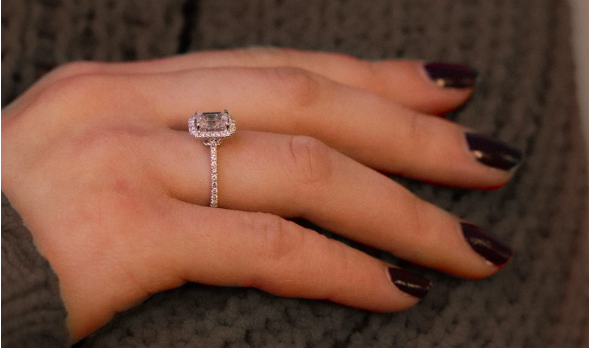
Lab-made diamonds, also known as lab-grown or synthetic diamonds, are becoming an increasingly popular choice for consumers seeking an ethical, sustainable, and cost-effective alternative to natural diamonds. Identical in appearance and chemical composition to their mined counterparts, these diamonds are created using advanced technological processes that replicate the natural conditions under which diamonds form in the Earth. Here’s everything you need to know before buying a lab-made diamond.
What Are Lab-Made Diamonds?
Lab-made diamonds are real diamonds. They are created in laboratories using one of two primary methods: High Pressure High Temperature (HPHT) or Chemical Vapor Deposition (CVD). Both techniques mimic the natural formation process of diamonds, resulting in stones that are virtually indistinguishable from natural diamonds to the naked eye and even under a microscope, unless tested with specialized equipment.
These diamonds exhibit the same physical, chemical, and optical properties as mined diamonds. They can be cut, polished, and certified by the same gemological institutes, including the Gemological Institute of America (GIA) and the International Gemological Institute (IGI).
Benefits of Buying Lab-Made Diamonds
1. Cost-Effective
One of the most compelling reasons to choose lab-grown diamonds is cost. On average, buy lab made diamonds are 30% to 50% less expensive than natural diamonds of the same size and quality. This allows buyers to purchase larger or higher-quality stones within the same budget.
2. Ethical Sourcing
Traditional diamond mining has been associated with human rights abuses, unsafe working conditions, and environmental degradation. Lab-made diamonds eliminate these concerns, as they are created in controlled environments with minimal impact on people and ecosystems.
3. Environmentally Friendly
Mining for natural diamonds requires the removal of vast amounts of earth and the use of heavy machinery, contributing to deforestation, water pollution, and greenhouse gas emissions. In contrast, lab-grown diamonds require significantly less energy and water, making them a greener choice.
4. Transparency and Traceability
Lab-grown diamonds often come with detailed origin documentation, providing buyers with peace of mind about the stone’s source. This transparency is especially important for consumers concerned about conflict diamonds or the ethical footprint of their purchases.
What to Look for When Buying Lab-Made Diamonds
When shopping for a lab-grown diamond, consider the same factors you would with a natural stone, commonly known as the Four Cs: Cut, Color, Clarity, and Carat weight. Each of these attributes affects the diamond’s beauty and value.
Make sure to buy from reputable jewelers who provide certified lab-grown diamonds with grading reports from trusted labs like GIA or IGI. These reports ensure that you’re getting what you paid for in terms of quality and authenticity.
Common Myths Debunked
Myth 1: Lab-made diamonds are fake.
Fact: lab grown diamonds are real diamonds, not imitations like cubic zirconia or moissanite.
Myth 2: Lab-made diamonds have no resale value.
Fact: While they may not appreciate like rare natural diamonds, lab-grown diamonds can still have resale value, especially if they are certified and in good condition.
Myth 3: Lab-grown diamonds are inferior in quality.
Fact: Lab-grown diamonds often have fewer inclusions and can be produced with higher clarity and color grades than many natural diamonds.
Conclusion
As consumer awareness grows, lab-made diamonds are emerging as a smart, ethical, and stylish choice. Whether you’re shopping for an engagement ring, anniversary gift, or simply a stunning piece of jewelry, lab-grown diamonds offer a beautiful and responsible alternative to traditional stones. With lower prices, ethical sourcing, and minimal environmental impact, they represent the future of fine jewelry.