

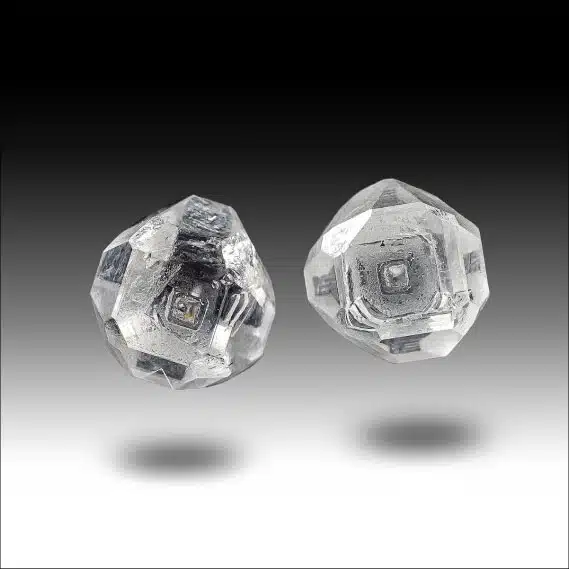
So here’s the thing. When someone pops the question, no one’s pulling out a magnifying glass to check if that sparkling rock is from deep underground or a lab across town. But lately, the conversation around lab grown diamond vs real diamond is heating up. And honestly? It’s fascinating.Diamonds have always had that “forever” aura. But now, with lab made diamonds shaking up the market, people are asking the big question: does origin really matter when the sparkle’s the same?
A Love Affair With Rocks
Think about it. Since forever, humans have been obsessed with shiny things. Gold, rubies, sapphires—sure. But diamonds? They became the symbol of love, commitment, status… and sometimes, let’s be real, ego.
For decades, the only way to get a diamond was through mining. And that made them rare, expensive, and wrapped in romance (thanks, clever marketing campaigns). But here’s the twist. Technology caught up. Scientists figured out how to recreate what the earth does over billions of years… inside a lab.
Now, lab made diamonds aren’t some knockoff or cubic zirconia situation. They’re chemically identical to mined diamonds. Which makes the story a whole lot juicier.
The Options on the Table
So, you’re shopping for a diamond. Let’s say an engagement ring. Here’s the fork in the road:
- The Traditional Route – A mined diamond. You get the classic “this was formed under immense pressure for millions of years” bragging rights. Plus, there’s tradition and history on your side.
- The Modern Twist – A lab made diamond. It’s eco-friendly, wallet-friendly, and honestly, nobody can tell the difference without special equipment. It’s like choosing oat milk over regular milk—some people will raise an eyebrow, but most won’t care.
- The Wild Cards – Maybe you skip diamonds altogether and go for a sapphire or moissanite. Bold move, but hey, jewellery should be personal.
Here’s the trend: younger buyers are leaning into lab grown. Why? They like the idea of paying less, avoiding some of the ethical baggage, and still getting that jaw-dropping sparkle.
The Local Angle: Why It Matters Where You Are
Now, depending on where you live, the debate hits differently. In cities like New York or London, lab grown diamonds are almost mainstream now. People talk about them the same way they talk about electric cars—cool, smart, and maybe the future.But in other places, tradition still rules. A “real” diamond is seen as the ultimate standard. Some families even expect it. Imagine showing up to an engagement dinner with a lab diamond ring in a community that still swears by mined stones. You’d probably hear whispers.At the same time, let’s be honest—more people are realizing that mined diamonds aren’t the only way to show love. It’s about the meaning, not the mining.
How It Works: The Science Without the Boring Bits
Okay, quick science break. How do you actually grow a diamond in a lab?
- The Seed – They take a tiny slice of diamond (yes, a real one). Think of it like planting a seed in soil.
- The Pressure Cooker – Scientists recreate the conditions inside the earth: high heat, crazy pressure. Two methods exist—HPHT (high pressure high temperature) and CVD (chemical vapor deposition).
- Growth – Over a few weeks, carbon atoms layer onto the seed until—boom—you’ve got a sparkling diamond.
- Cut & Polish – Just like mined stones, it goes through cutting and polishing. That’s where the magic happens, turning it from a crystal chunk into something engagement-ring worthy.
And voilà. Same sparkle. Different origin story.
Wrapping It Up
So, lab grown diamond vs real diamond isn’t really a battle of quality. It’s a battle of perception. One is born underground, the other in a lab. Both shine. Both last. Both can symbolize forever.The choice comes down to what you value. Tradition? History? Then mined diamonds might speak to you. Sustainability? Savings? Then lab made diamonds are calling your name.At the end of the day, a diamond—lab or mined—is just a rock. What really matters is the story you attach to it. And that, let’s be honest, is way more important than where it came from.